
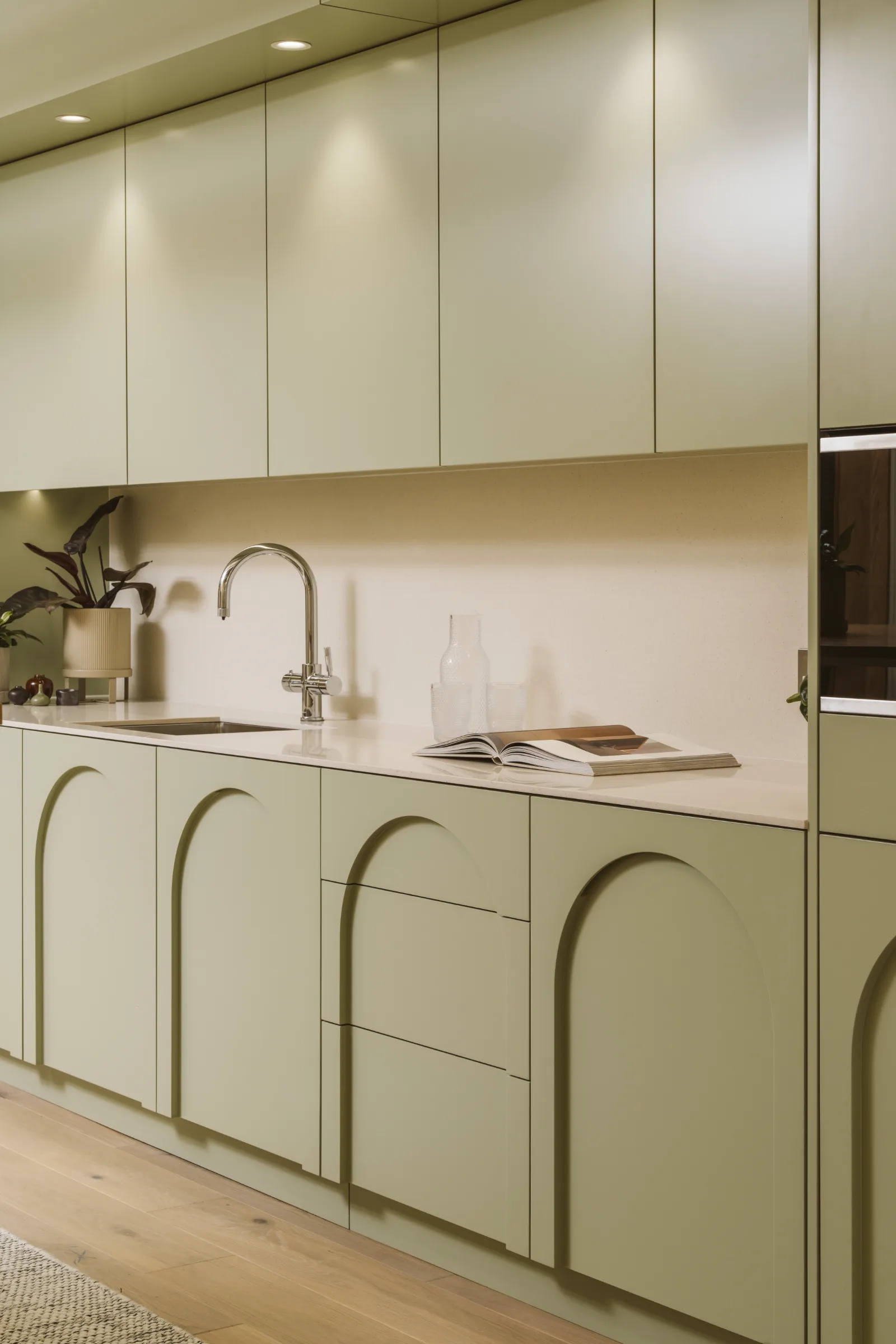
Some of the best details in a finished interior are the ones you never consciously notice.
A grout line meets the edge of a niche. A light switch sits exactly where the joinery suggests it should. A doorway aligns with the cabinetry beyond it. Two materials meet cleanly, without an awkward interruption.
You may not stop to look at any of these things.
But together, they create something you immediately feel: a sense of order, calm and quality.
That is the quiet luxury of things lining up.
Your eye notices more than you think.
We are surprisingly good at recognising when something is slightly off. A socket positioned just away from centre. A tile joint that almost, but not quite, meets the edge of a basin. A pendant centred to the room, but not to the table beneath it. None of these things necessarily stop a space from functioning. But visually, they interrupt it. When lines, fittings and finishes relate properly to one another, the opposite happens. Your eye moves through the room without interruption. The space feels considered, even if you cannot immediately explain why. Good alignment creates visual order. And visual order has a way of making even simple materials feel refined.
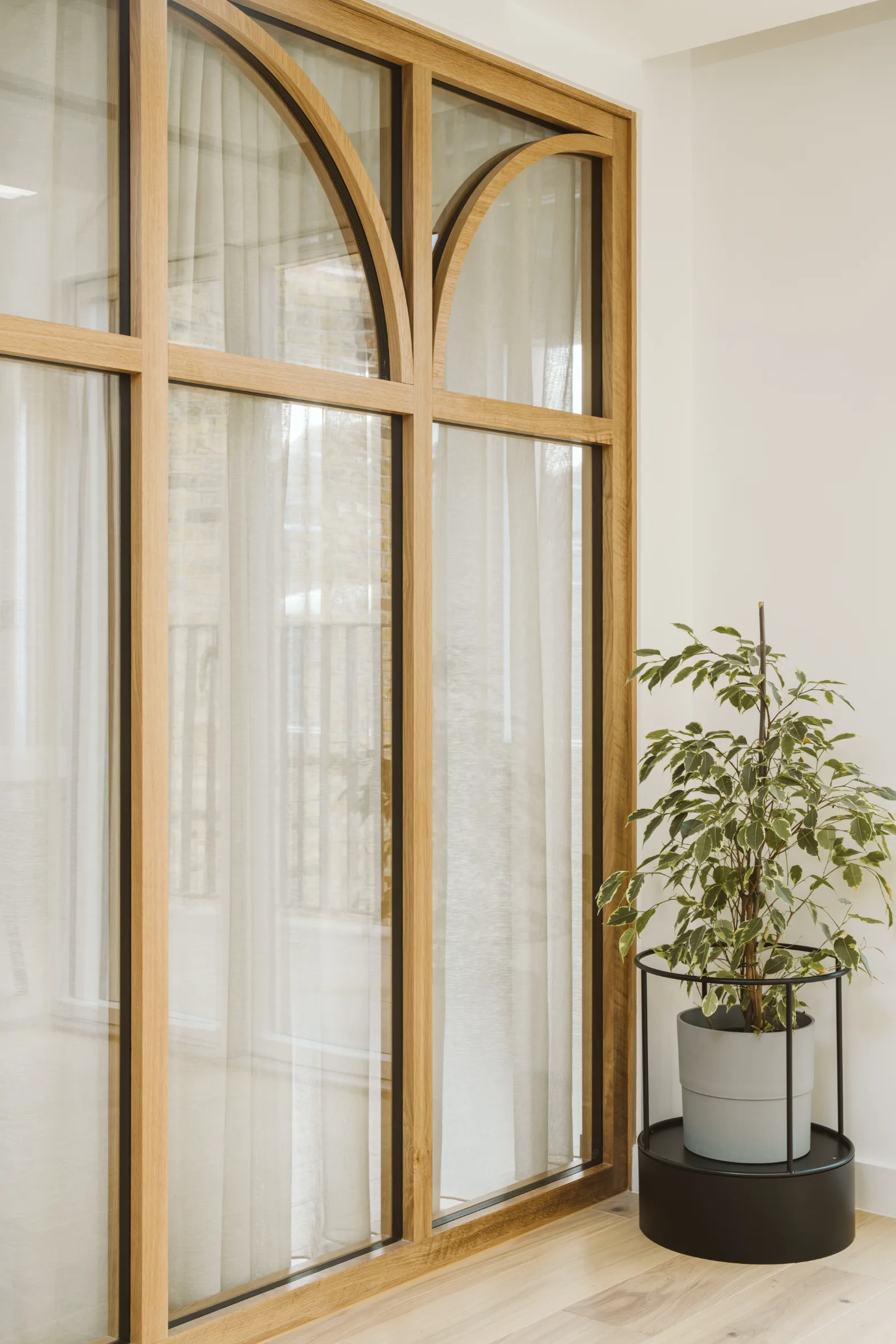
It starts long before the finishing touches.
The irony is that the details which look effortless at the end usually require the most thought at the beginning. If a bathroom niche is going to work perfectly with the tile layout, its position and dimensions need to be considered before the tiling starts. If electrical fittings are going to sit naturally within bespoke joinery, the electrician and joiner need to be working from the same information. The same applies across an entire project. Doors, cabinetry, lighting, sanitaryware, flooring and finishes do not exist independently. Every decision creates a relationship with something beside, above or below it. By the time a project reaches its finishing stages, many of the decisions that determine how refined it will look have already been made.
The best details look effortless because the effort happened earlier.
Different trades. One finished picture.
A client does not walk into a finished room and see the electrician's work, the joiner's work and the tiler's work as separate things. They see one room. That is why coordination matters as much as individual craftsmanship. Perfect joinery can still feel wrong if a socket beside it has been positioned without considering its lines. Beautiful tiles can lose their impact when fittings interrupt the layout. A carefully planned lighting scheme changes when the ceiling or furniture beneath it changes. Each trade may be responsible for a different element, but those elements eventually have to meet. And it is often where they meet that determines the quality of the finished space.
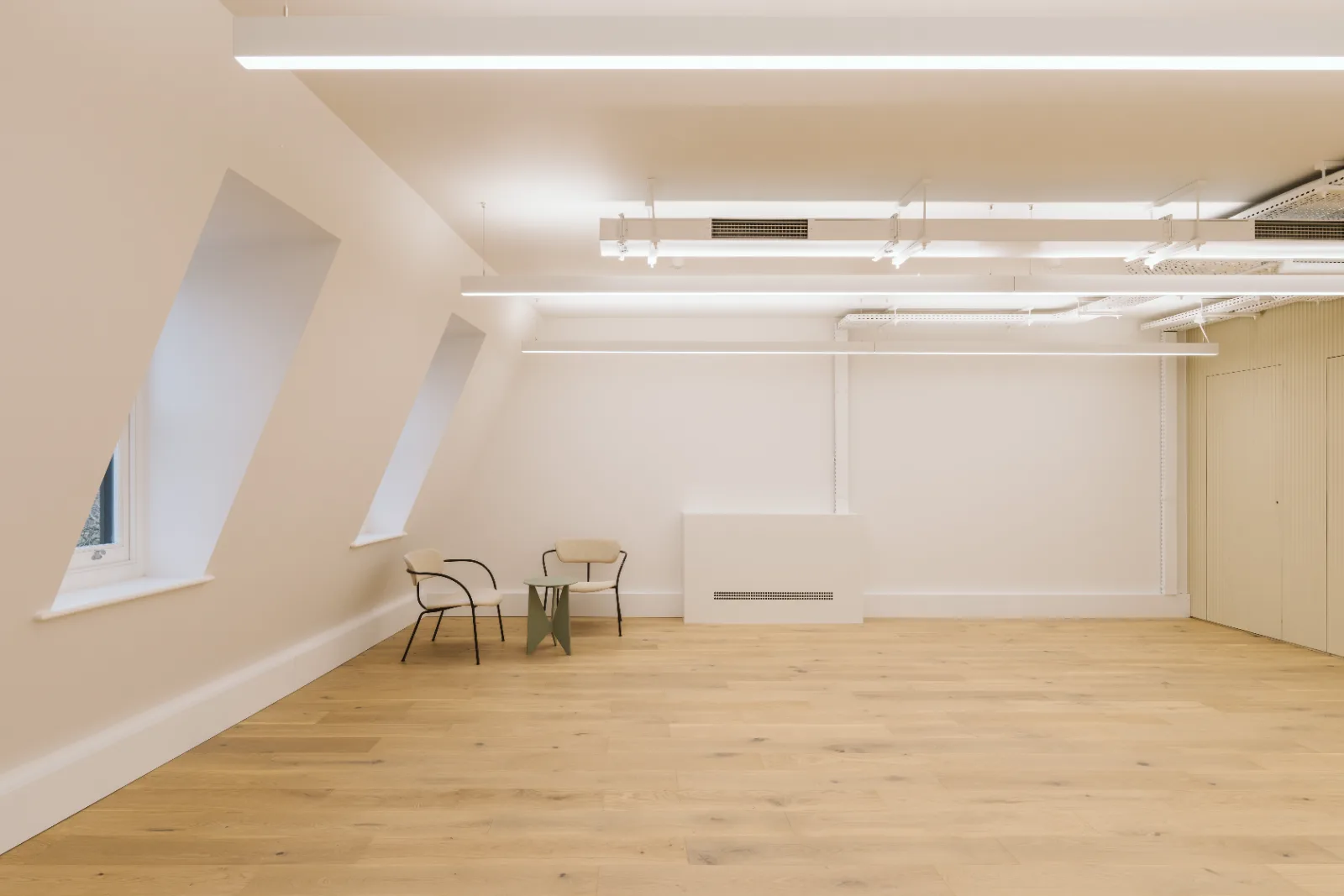
What this means for you
A well-finished home should not make you analyse why it feels right. You should not have to notice that the lighting aligns with the kitchen island, that the tile layout was considered around the sanitaryware or that the joinery meets the architecture exactly where it should. You should simply feel that everything belongs. For us, that means thinking beyond each individual task and considering the finished space as a whole, coordinating details early, resolving awkward junctions before they reach site and knowing when a few millimetres really do matter. Because premium finishes are not always about choosing more expensive materials. Sometimes, luxury is simply everything being exactly where it should be.
Back to Journal